When planning an event, it is common to encounter suppliers who offer dance floors as an additional or “add-on” service alongside other products such as DJ services, lighting, or venue décor. At first glance, this can seem convenient and, in some cases, cost-effective. However, there are important differences between hiring a dedicated dance floor hire company and booking a dance floor as an add-on from a multi-service supplier.
While both options can result in a dance floor being installed at your event, the level of specialism, reliability, and overall quality can vary significantly. Understanding these differences will help you make a more informed decision and avoid potential issues on the day of your event.
Specialism and Focus
The most fundamental difference between a dedicated dance floor hire company and an add-on supplier is focus. A specialist dance floor hire company exists solely to supply, install, and maintain dance floors. Every aspect of their operation, from stock investment to staff training, is centred around that single product.
An add-on supplier, by contrast, typically offers dance floors as a secondary service. Their primary focus may be DJ equipment, lighting, styling, or general event production. Dance floors are often included as a way to increase booking value rather than as a core part of their business.
This difference in focus matters. A dedicated company is far more likely to understand the technical requirements of different floor types, how they perform in various venues, and how to adapt installations to challenging environments. With an add-on supplier, dance floors are often treated as a standard product with limited flexibility.
Range of Dance Floors Available
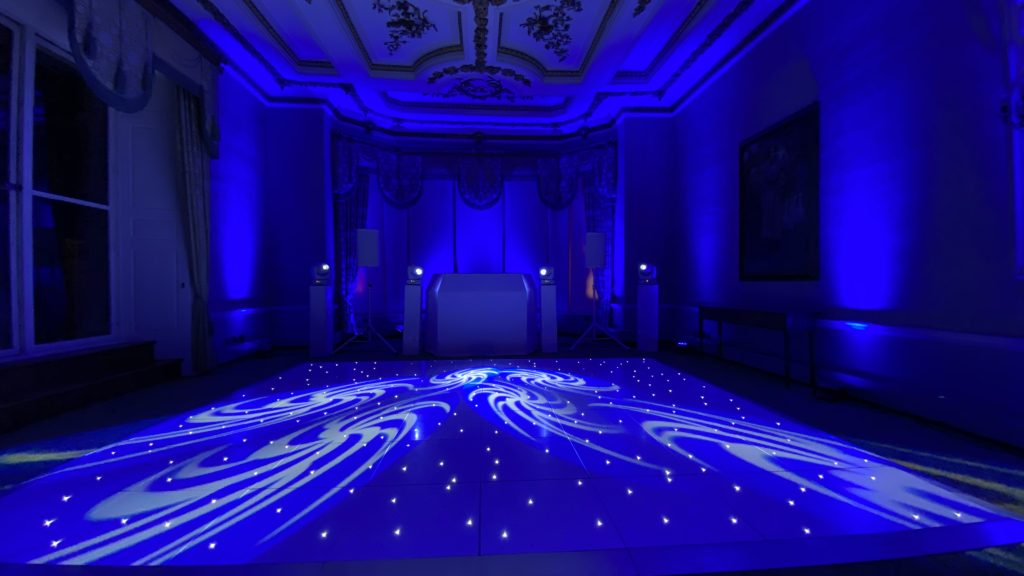
Stock range is another key area where the differences become clear. Most add-on suppliers will carry a very limited selection of dance floors, typically a white starlit LED dance floor in a small number of sizes. This is because white starlit floors are popular, versatile, and relatively easy to cross-sell.
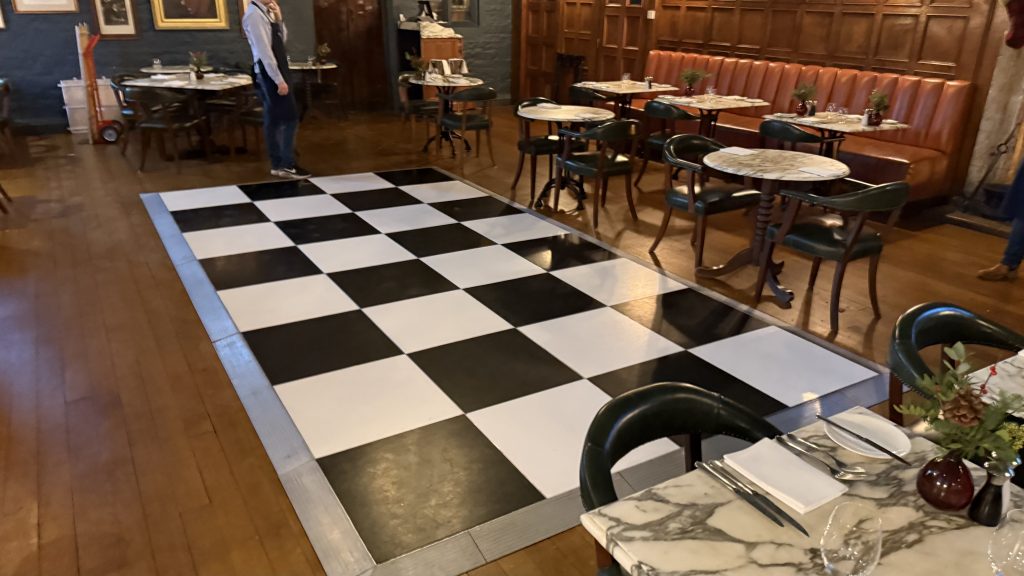
Dedicated dance floor hire companies, on the other hand, are far more likely to invest in a wider range of products. This may include plain white floors, coloured floors, high-gloss finishes, parquet-style floors, outdoor-rated floors, and bespoke or custom options.
If your event requires something specific, such as a particular colour, finish, or layout, an add-on supplier may simply not have the stock available. In many cases, they will only be able to offer what they already carry, rather than what best suits your event.
Condition, Maintenance, and Presentation
Dance floors are a high-impact visual feature and are subject to significant wear and tear. Foot traffic, footwear, spillages, and repeated installations all take their toll over time. Maintaining dance floors to a high standard requires regular inspection, cleaning, repair, and replacement of damaged panels.
A dedicated dance floor hire company will typically have established processes for maintaining their stock. Panels are checked between hires, damaged sections are repaired or removed from circulation, and finishes are kept consistent across the entire floor.
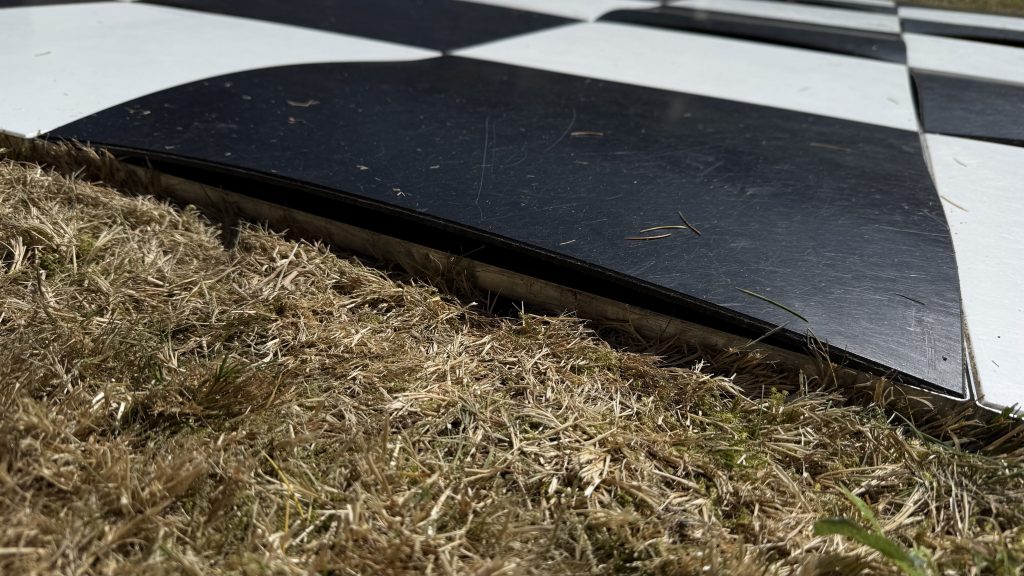
With add-on suppliers, dance floors may not receive the same level of attention. Because the dance floor is not the primary product, maintenance can be less frequent, and visual consistency may suffer. This can result in visible wear, uneven finishes, or panels that do not match perfectly when installed.
Installation Knowledge and Technical Expertise
Installing a dance floor correctly requires more than simply assembling panels. Factors such as subfloor conditions, level tolerances, access restrictions, venue rules, and weight distribution all need to be considered. This is especially important in venues with uneven surfaces, historic buildings, marquees, or temporary structures.
Dedicated dance floor hire companies install floors week in, week out, often in a wide variety of venues. This experience allows them to anticipate issues before they arise and adjust the installation accordingly.
Add-on suppliers may install dance floors far less frequently and often as part of a broader setup schedule. As a result, they may have less experience dealing with unusual or challenging installation conditions. While many do a competent job, the depth of technical expertise is rarely the same as that of a specialist.
Reliability and Contingency Planning
Reliability is another important consideration. Dedicated dance floor hire companies typically own multiple floors, carry spare components, and have staff trained specifically for dance floor installations. This allows them to respond more effectively if something goes wrong.
Add-on suppliers may only own a single dance floor or a very limited amount of stock. If a panel is damaged, a vehicle breaks down, or staff availability changes, their ability to provide a backup solution can be restricted.
In addition, specialist companies are more likely to have clear contingency plans in place because dance floor hire is their sole responsibility. When dance floors are an add-on, they can sometimes take a lower priority if other elements of the event require attention.
Scheduling and Time Sensitivity
Dance floor installations are often time-critical, particularly for weddings and corporate events with strict venue access windows. Dedicated dance floor hire companies typically schedule their deliveries and collections specifically around these requirements.
Add-on suppliers may be juggling multiple services on the same day, such as DJ setups, lighting installations, and décor styling. While this can work well, it can also introduce scheduling pressure. If one element runs late, it can impact the timing of the dance floor installation.
A specialist supplier is more likely to structure their day around the dance floor installation itself, reducing the risk of delays.
Advice and Consultation
Because dance floors are their core product, dedicated hire companies are usually better positioned to offer informed advice. This includes guidance on sizing, layout, finishes, suitability for specific venues, and how the dance floor will interact with other elements such as staging or furniture.
Add-on suppliers may offer more general advice, but it is often based on a narrower range of options and limited experience. This can result in recommendations that are driven by availability rather than suitability.
Final Thoughts
Hiring a dance floor from an add-on supplier is not inherently wrong, and in some situations it can be a perfectly acceptable solution. However, it is important to recognise that it is not the same as working with a dedicated dance floor hire company.
A specialist supplier brings a higher level of focus, expertise, stock variety, and contingency planning. For events where the dance floor plays a central visual or functional role, or where requirements are specific, a dedicated dance floor hire company is often the safer and more reliable choice.
Understanding these differences allows you to make a decision based not just on convenience or initial cost, but on overall quality, reliability, and suitability for your event.